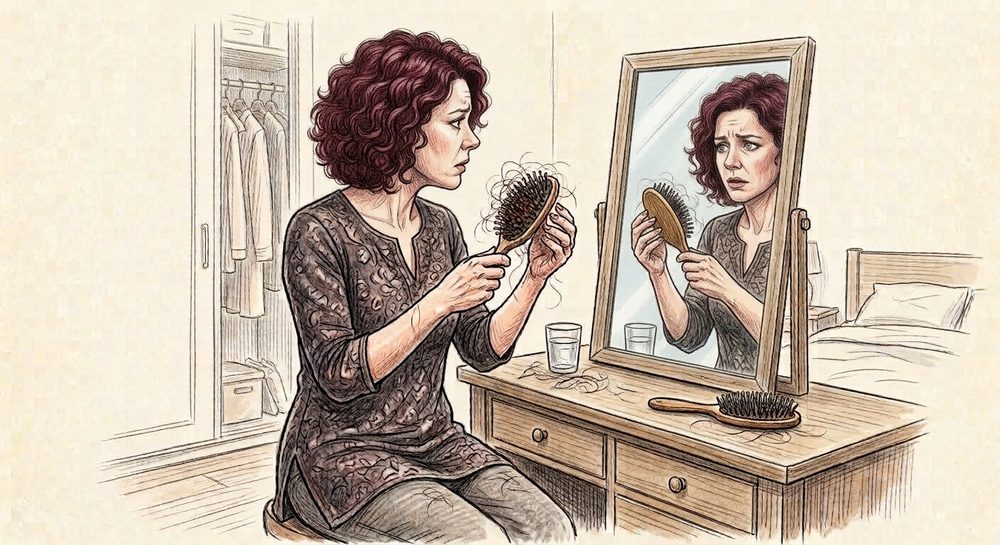
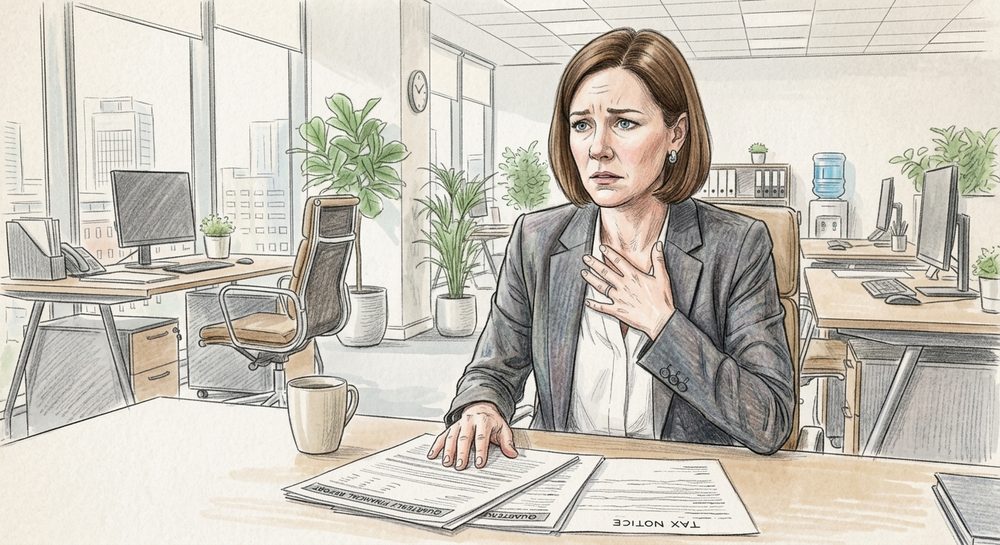
🔥 Hot flushes & night sweats +
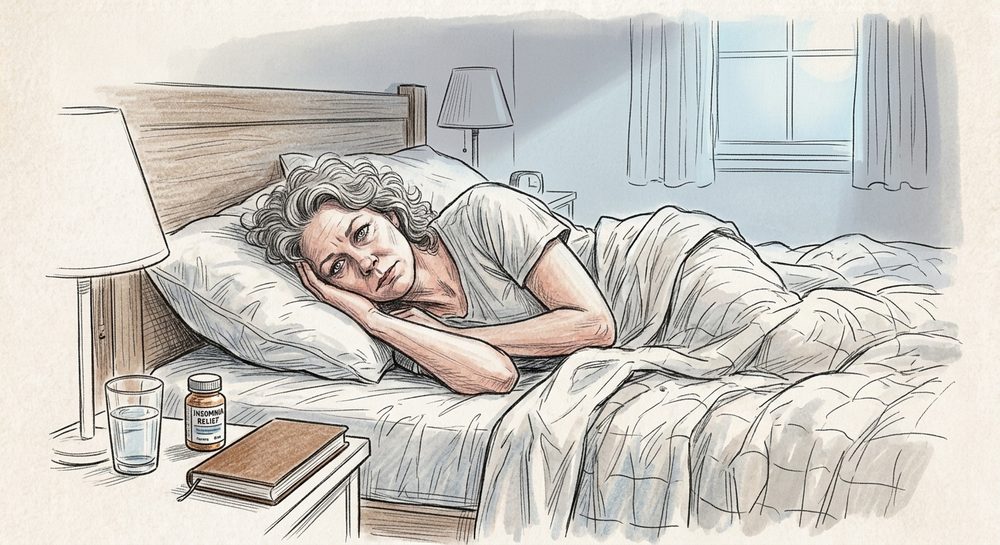
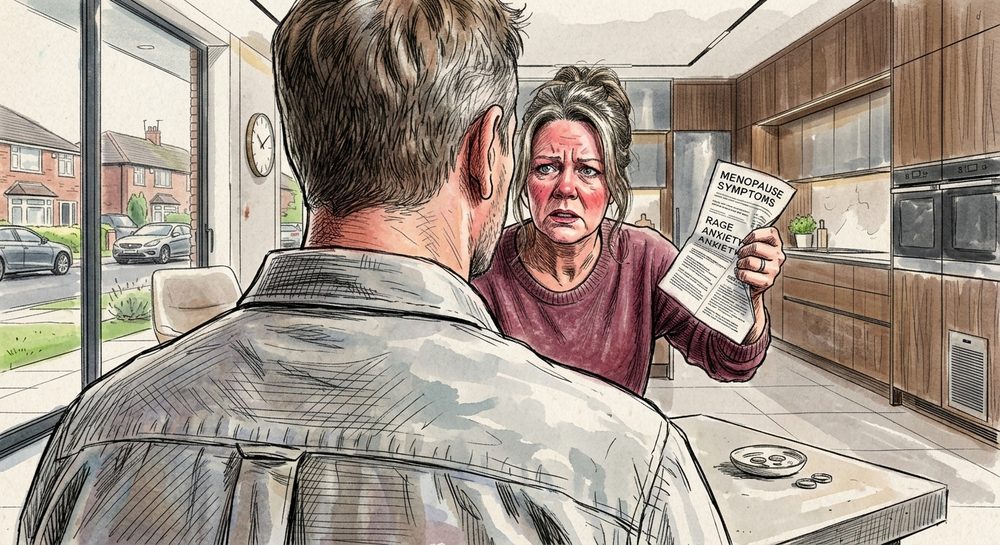
Hot flushes happen because falling, fluctuating estrogen narrows your brain's internal "thermostat" window, so your body overreacts to tiny temperature changes with a sudden flush, sweat, and rapid heartbeat. They typically last 1–5 minutes and can happen dozens of times a day, or hardly at all — it varies enormously between women.
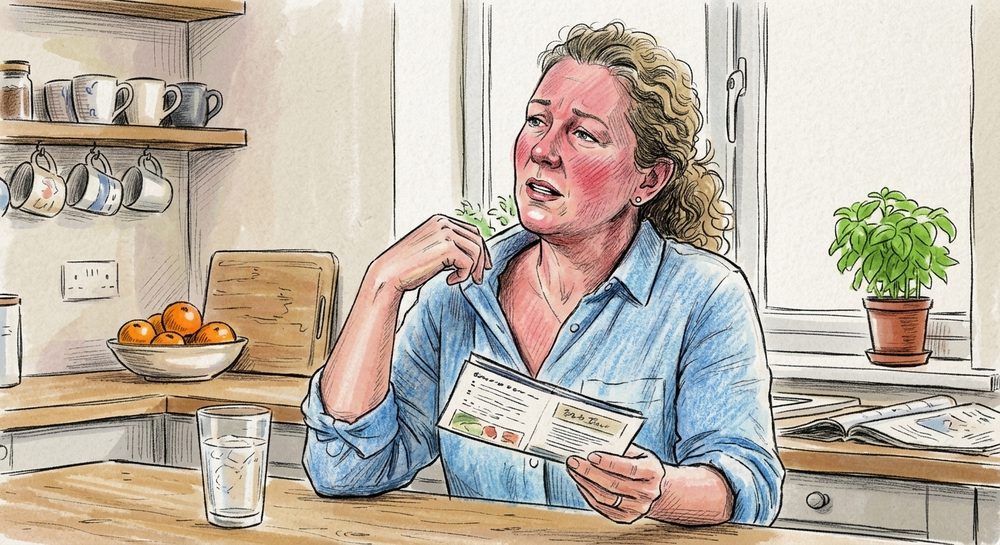
Around 3 in 4 women get them; they can last years, not months.
What actually helps:
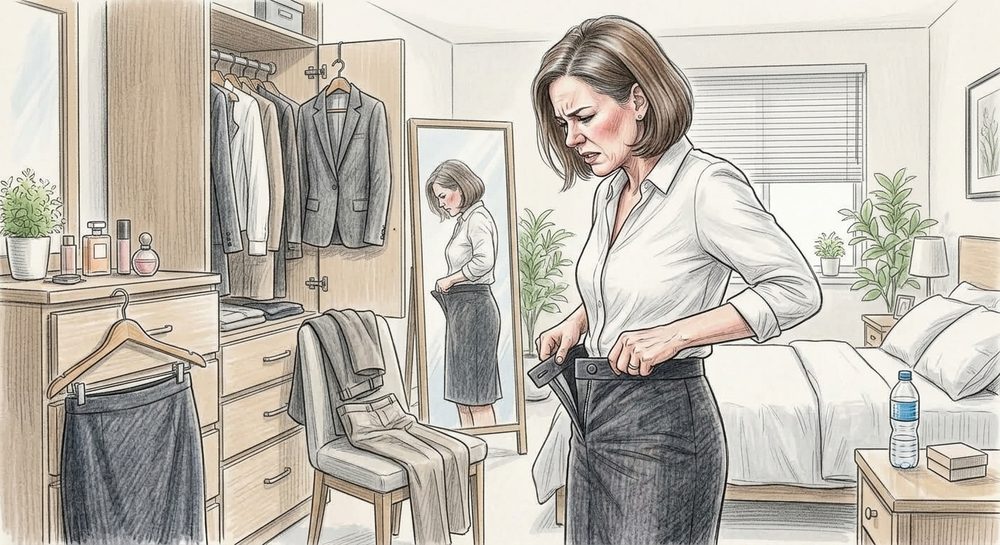
- Layered, breathable clothing and cooling bedding — small, boring, genuinely effective.
- Hormone therapy (HRT) is the most effective treatment for most women without contraindications — worth an honest conversation with a menopause-literate doctor.
- Non-hormonal prescription options exist too (including some antidepressant classes and newer non-hormonal medicines), for women who can't or don't want to take HRT.
- Identifying your personal triggers — caffeine, alcohol, spicy food, stress — through a few weeks of simple tracking.
See a doctor if: flushes are disrupting your sleep or daily life, or you want to discuss HRT and aren't sure where to start — ask specifically for a menopause-trained clinician if you can.
Reviewed against: NICE guideline NG23 (Menopause: diagnosis and management, UK); ACOG Practice Bulletin No. 141; The Menopause Society 2023 hot flush position statement. See primary sources →